
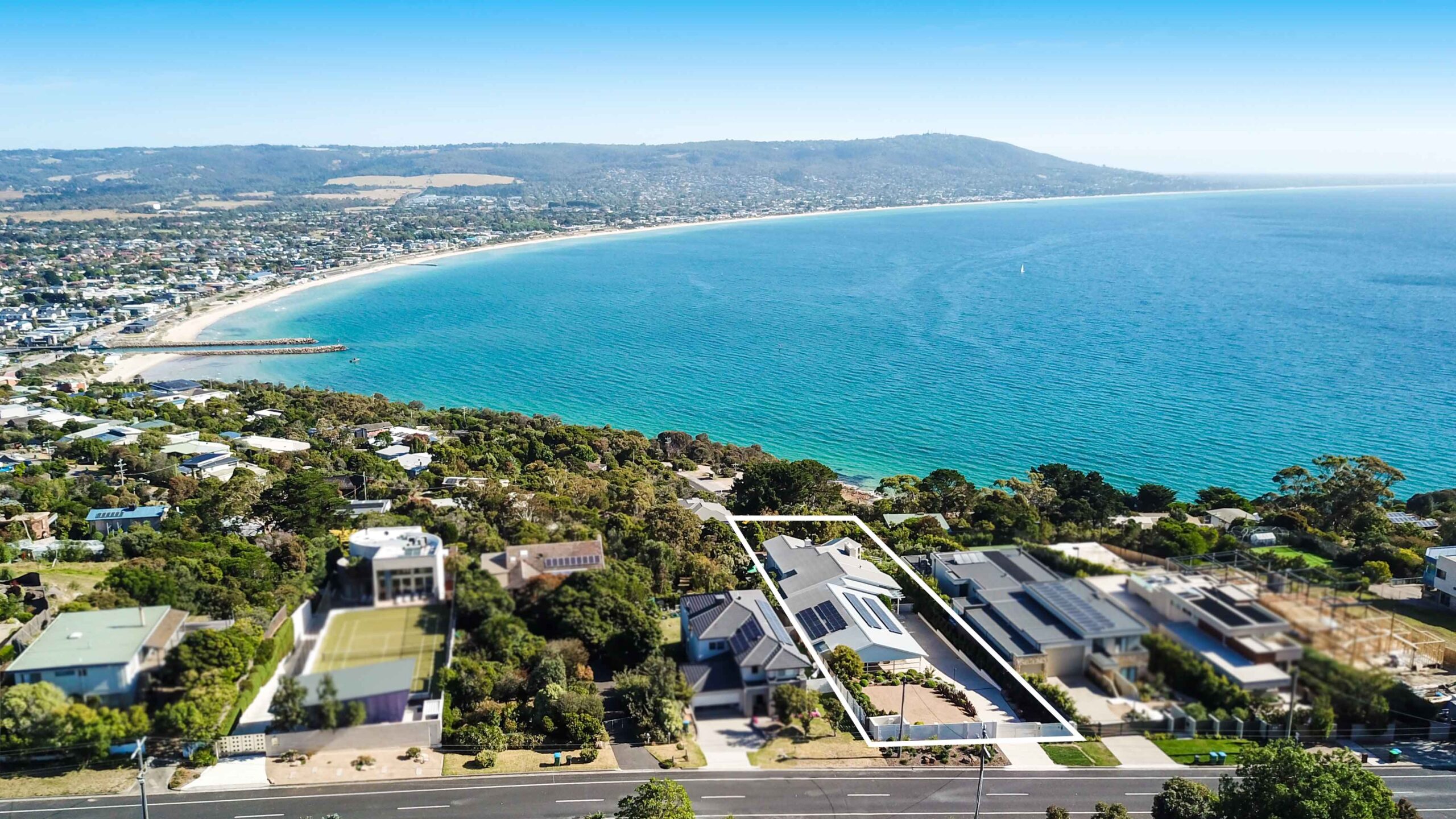
When comparing Bayside vs suburban Melbourne property, value depends on your priorities. Bayside areas often deliver lifestyle appeal and scarcity-driven demand, while suburban locations typically offer larger homes, stronger school zoning and broader long-term family appeal.
For buyers weighing lifestyle against financial performance, working with an experienced buyers agent in Melbourne can help clarify which option aligns with your long-term goals rather than short-term emotion.
Key takeaways
✅ Bayside property often carries a lifestyle premium and limited supply
✅ Suburban markets typically provide a stronger family infrastructure
✅ Land content plays a critical role in long-term value
✅ School zones significantly influence suburban demand
✅ The right choice depends on the stage of life, budget and investment horizon
Defining bayside and suburban Melbourne property
Bayside Melbourne typically includes suburbs such as Brighton, Hampton, Sandringham, Beaumaris, Elwood and parts of the Mornington Peninsula. These areas offer beach access, lifestyle amenity and strong owner-occupier demand.
Suburban Melbourne spans established family-focused areas such as Camberwell, Balwyn, Glen Iris, Surrey Hills and Mont Albert. These suburbs are known for schools, parks, transport and larger land parcels.
When comparing bayside vs suburban Melbourne property, buyers are often balancing lifestyle prestige against practical infrastructure.
Lifestyle appeal: the emotional factor
There is no denying the lifestyle appeal of Bayside living. Proximity to the water, walking tracks, and café culture creates a strong emotional demand.
Suburbs such as Brighton demonstrate how beach access, village retail and premium housing stock combine to create consistent buyer competition.
Bayside suburbs often attract:
✅ Downsizers seeking lifestyle upgrades
✅ Professionals prioritising amenity
✅ Buyers willing to pay a premium for water proximity
✅ Prestige home purchasers
This emotional demand underpins value, particularly in tightly held pockets near the foreshore.
However, emotion can also drive overpaying if buyers do not assess fundamentals carefully.
Suburban strength: infrastructure and schools
Suburban Melbourne continues to perform strongly because of its education infrastructure and family orientation.
Suburbs such as Camberwell, Balwyn and Glen Iris are closely associated with high-performing public and private schools. School zoning alone can significantly influence property values.
When comparing bayside vs suburban Melbourne property for families, suburban areas often provide:
✅ Larger block sizes
✅ Quieter residential streets
✅ Proximity to multiple schooling options
✅ Access to train lines and arterial roads
Suburb insights like those found in Camberwell highlight how education, walkability and retail precincts combine to create long-term demand stability.
For buyers with young children, school zones often outweigh beach proximity.
Capital growth and land value
One of the most important factors in assessing value is land content.
Bayside property often commands a premium due to scarcity. However, block sizes can be smaller closer to the foreshore, and zoning restrictions may limit redevelopment potential.
Suburban properties, particularly in the inner east, frequently offer larger land parcels, which historically support stronger capital growth over longer periods.
Buyers evaluating bayside vs suburban Melbourne property should assess:
✅ Land size relative to purchase price
✅ Planning overlays and development restrictions
✅ Historical growth performance
✅ Owner-occupier demand levels
In many cases, suburban properties with strong land components can provide more consistent appreciation over time.
Supply constraints and market resilience
Both Bayside and suburban markets benefit from limited supply, but for different reasons.
Bayside supply is constrained by geography. There is only so much beachfront land available.
Suburban supply is often constrained by planning overlays, heritage protections and strong owner-occupier retention.
Prestige Bayside suburbs such as Sandringham show how lifestyle-driven demand supports long-term resilience, even during softer market cycles.
Similarly, established suburban areas with strong school zones tend to recover quickly following downturns.
Resilience in both markets is tied to desirability and limited new supply.
Buyer profiles: who benefits most?
Different buyer types will find value in different markets.
Bayside living often suits:
- Downsizers seeking lifestyle enhancement
- Prestige buyers prioritising location
- Professionals without school-age children
- Buyers comfortable with higher entry prices
Suburban living often suits:
- Growing families
- Buyers prioritising education access
- Long-term owner-occupiers
- Purchasers seeking larger land holdings
Understanding your buyer profile is essential before deciding which market offers better value for you.
Price premiums and affordability
Bayside suburbs generally command higher price premiums per square metre due to lifestyle positioning.
However, in some cases, suburban blue-chip areas can match or exceed bayside pricing, particularly within tightly held school zones.
Affordability considerations include:
✅ Entry price relative to income
✅ Ongoing holding costs
✅ Renovation or extension potential
✅ Resale audience depth
When assessing Bayside vs suburban Melbourne property, buyers should avoid focusing solely on median price comparisons. Street-level analysis and property type evaluation are far more meaningful.
Market commentary such as that found in Melbourne’s residential property market revealed shows how micro-markets behave differently even within the same broader region.
Rental demand and investment considerations
For investors, the equation shifts slightly.
Bayside areas often attract strong short-term and lifestyle-driven rental demand, particularly near the beach or transport hubs.
Suburban areas typically attract stable long-term family tenants, particularly within strong school zones.
Investors comparing Bayside vs suburban Melbourne property should evaluate:
✅ Rental yield versus capital growth potential
✅ Tenant demographic stability
✅ Vacancy rates
✅ Future infrastructure development
Strategic guidance through professional property investment advice can help investors determine which market aligns with their portfolio goals.
Emotional decision versus strategic decision
One of the most common mistakes buyers make is allowing lifestyle aspirations to override financial fundamentals.
Bayside living often appeals emotionally. Suburban living often appeals practically.
The strongest outcomes occur when buyers align emotion with strategy. For example, purchasing in a Bayside suburb with strong land value and limited supply can deliver both lifestyle and long-term performance.
Similarly, selecting a suburban property within a proven school catchment can provide both stability and appreciation.
Long-term outlook: which holds up better?
Historically, both Bayside and established suburban markets have performed strongly over long timeframes.
The key differentiator is buyer depth. Suburban family markets often have broader buyer pools due to schooling demand. Bayside prestige markets may have smaller but wealthier buyer pools.
In periods of economic uncertainty, family-driven suburban markets sometimes demonstrate slightly broader resilience due to consistent owner-occupier demand.
However, tightly held Bayside suburbs with limited land supply often retain value due to scarcity.
Ultimately, the better option depends on individual priorities rather than a universal rule.
Conclusion: Value depends on alignment
When comparing Bayside vs suburban Melbourne property, there is no one-size-fits-all answer.
Bayside living offers lifestyle, prestige and scarcity-driven appeal. Suburban living provides education infrastructure, land size and broad family demand.
Value is created when the property aligns with your life stage, financial capacity and long-term strategy.
Considering Bayside or suburban Melbourne property?
If you are weighing up lifestyle versus long-term performance and want objective guidance, our team can help you assess suburbs, property types and acquisition strategy with clarity.
Learn more About Us or Contact Us to discuss your property goals.
I’m Andrew Date from Industry Insider Property.
Our clients consistently say we’re the best decision they made in their property journey. Read our reviews on LinkedIn and Google to see why.
Industry Insider Property
Level 3, 489 Toorak Road, Toorak 3142
+613 8374 7652
+613 402 346 810
industryinsider.com.au